
How Extreme Temperature Swings in Southeast Michigan Silently Damage Your HVAC Equipment and What St. Clair Shores Homeowners Can Do to Protect Their Investment
Living in Southeast Michigan means experiencing some of the most dramatic temperature fluctuations in the Midwest. It is not unusual for St. Clair Shores residents to endure a 40-degree temperature swing within a single 24-hour period during spring and fall transitional seasons. In January, wind chills can plunge well below zero, while July heat indexes regularly push past 95 degrees. These extremes place extraordinary stress on residential heating and cooling systems, and the damage often accumulates quietly long before a homeowner notices any obvious signs of failure. At Apollo Heating & Cooling Inc., we have been locally owned and operated since 1981, and over those decades we have witnessed firsthand how Southeast Michigan’s volatile climate uniquely punishes HVAC equipment that is not properly maintained.
The Science Behind Temperature-Related HVAC Wear
Every material in your furnace and air conditioner responds to temperature changes through expansion and contraction. Metal components in heat exchangers, copper refrigerant lines, electrical connections, and even the solder joints inside your system expand when heated and contract when cooled. When this thermal cycling happens gradually, the stress is manageable. But when temperatures swing rapidly, as they frequently do across Warren, Roseville, Eastpointe, Harper Woods, and St. Clair Shores, the expansion and contraction become more aggressive. Over time, this creates micro-fractures in heat exchangers, loosens electrical terminals, and degrades solder connections.
Condensation is another hidden threat. When outdoor temperatures drop rapidly after a warm day, moisture forms on interior components of your HVAC system. This moisture accelerates corrosion on metal parts, promotes mold growth inside ductwork, and can compromise the insulation around electrical wiring. Industry data from the Department of Energy suggests that nearly 75 percent of all furnace repair and AC repair calls stem from issues that could have been detected during routine maintenance, and corrosion-related failures represent a significant percentage of those cases in climates like ours.
How Your Furnace and Air Conditioner Respond to Rapid Cycling
During transitional months, your HVAC system may switch between heating and cooling modes multiple times in a single week. This rapid cycling forces compressors, blower motors, and ignition systems to start and stop far more frequently than they were designed to handle under normal conditions. Compressor motors, for instance, draw significantly more electrical current during startup than during continuous operation. Each start cycle generates a surge that stresses internal windings and capacitors. In a typical Michigan spring, your system might experience three to five times more start cycles than a comparable system in a milder climate.
Furnace components endure similar punishment. Ignitors that repeatedly fire up and cool down degrade faster, and draft inducer motors that cycle on and off excessively experience accelerated bearing wear. These components do not fail dramatically. Instead, they slowly lose efficiency and effectiveness until one particularly cold morning they simply do not perform. This is exactly why heating repair needs in our service area tend to spike not during the coldest weeks of winter but immediately after the first major cold snap following a mild stretch.
Practical Steps St. Clair Shores Homeowners Should Take
Protecting your investment requires a proactive approach rather than a reactive one. Our goal at Apollo Heating & Cooling Inc. is 100 percent customer satisfaction, and we believe that starts with educating homeowners about preventive strategies. We are dedicated to serving St. Clair Shores and the surrounding areas with a one-on-one personal experience on every job, and that includes helping you understand what your system needs before problems arise.
- Schedule biannual maintenance inspections to catch micro-fractures, loose connections, and corrosion before they escalate into costly HVAC repair situations
- Replace air filters every 30 to 60 days during peak usage months because restricted airflow forces your system to work harder and cycle more frequently
- Install a programmable or smart thermostat that minimizes rapid temperature changes inside your home and reduces unnecessary cycling
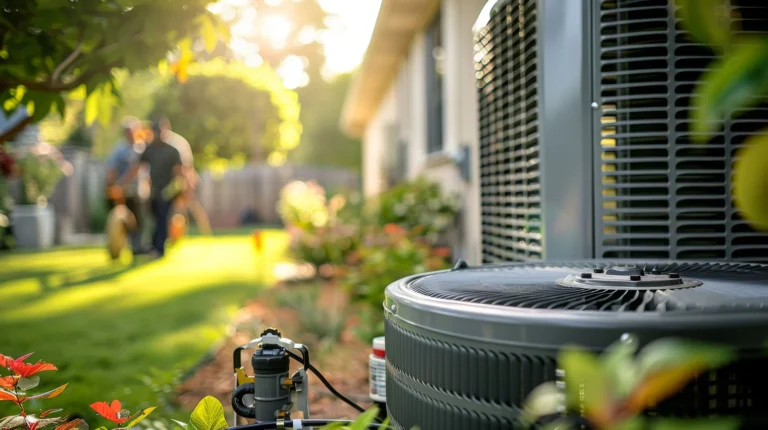
- Ensure proper outdoor unit clearance by keeping at least two feet of space around your condenser to promote adequate airflow and reduce strain on the compressor
- Address ductwork insulation in attics and crawl spaces where temperature differentials are most extreme and condensation risk is highest
- Monitor unusual sounds or performance changes and report them promptly so technicians can diagnose issues while they are still minor
Why Local Expertise Matters
Generic HVAC advice found online rarely accounts for the specific conditions that Southeast Michigan homeowners face. A technician who understands the local climate patterns, soil conditions affecting outdoor equipment, and the construction styles common throughout St. Clair Shores, MI, Warren, MI, Roseville, MI, Eastpointe, MI, and Harper Woods, MI brings invaluable context to every inspection and repair. At Apollo Heating & Cooling Inc., our experience since 1981 means we have maintained and repaired systems through every type of weather pattern this region can produce. That institutional knowledge allows us to anticipate problems specific to your neighborhood and your equipment, ensuring your furnace and air conditioner deliver reliable comfort no matter what temperatures Southeast Michigan throws your way.