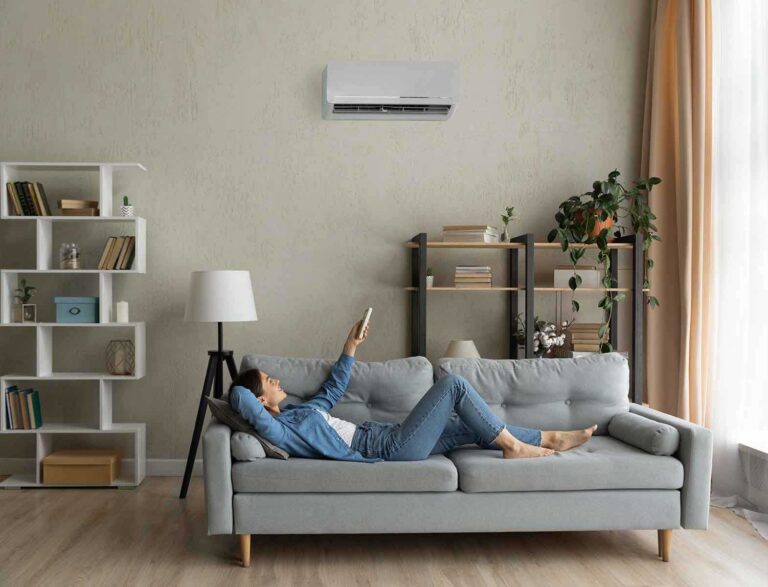

Ductless HVAC Systems for Superior Home Comfort
When it comes to achieving precise temperature control throughout your home without the expense and disruption of installing traditional ductwork, ductless HVAC systems represent one of the most versatile and efficient solutions available today. At Apollo Heating & Cooling, we have been helping homeowners across St. Clair Shores, Warren, Roseville, Eastpointe, and Harper Woods navigate the evolving landscape of heating and cooling technology since 1981. As a locally owned and operated company, we bring decades of hands-on experience to every ductless installation, repair, and maintenance project we undertake.
Ductless systems, often referred to as mini-split systems, have experienced remarkable growth in the American residential market over the past decade. According to industry reports, the global ductless HVAC market is projected to grow substantially through 2030, driven by increasing demand for energy-efficient climate control. Homeowners in Michigan are particularly well-suited for ductless technology because our climate demands both reliable heating during frigid winters and effective cooling throughout humid summers. A single ductless system can deliver both, making it an exceptionally practical investment for our region.
How Ductless HVAC Systems Work
A ductless HVAC system consists of two primary components: an outdoor compressor/condenser unit and one or more indoor air-handling units. These components are connected by a conduit that houses refrigerant tubing, a power cable, a suction line, and a condensate drain. The indoor units are mounted on walls, ceilings, or floors in individual rooms or zones, and each unit operates independently. This means you can set different temperatures in different areas of your home, eliminating the energy waste that comes from heating or cooling unoccupied rooms.
The refrigerant cycle in a ductless system works similarly to a traditional heat pump. During cooling mode, the indoor unit absorbs heat from the room air and transfers it through the refrigerant lines to the outdoor unit, where it is released into the outside air. In heating mode, the process reverses, extracting heat energy from the outdoor air and delivering it inside. Modern ductless systems use inverter-driven compressors that adjust speed continuously rather than cycling on and off, resulting in significantly lower energy consumption and more consistent temperature maintenance. Many current models achieve SEER2 ratings above 20, far exceeding the minimum federal efficiency standards.
Real-World Applications for Ductless Technology
Ductless HVAC systems solve a wide range of comfort challenges that homeowners in the surrounding areas frequently encounter. Older homes built without ductwork are prime candidates. Many charming mid-century homes in St. Clair Shores and Harper Woods were constructed with boiler-based heating systems that provide no pathway for central air conditioning. Rather than tearing into walls and ceilings to retrofit ductwork, a ductless system provides whole-home cooling and supplemental heating with minimal structural modification. Installation typically requires only a three-inch hole through an exterior wall for each indoor unit.
Home additions and finished basements represent another common application. When you add a sunroom, convert a garage, or finish a basement, extending your existing duct system is often impractical or impossible without compromising the performance of your current furnace or air conditioner. A dedicated ductless unit solves this problem elegantly, providing independent climate control for the new space without overburdening your existing equipment. We also see strong demand for ductless systems in bonus rooms above garages, where temperature extremes are notoriously difficult to manage with conventional systems.
Multi-family properties and in-law suites benefit tremendously from ductless configurations as well. Each living space can have its own thermostat and zone, giving occupants individual control while keeping energy costs manageable. This zoned approach typically reduces energy consumption by twenty to thirty percent compared to traditional forced-air systems, according to the U.S. Department of Energy.
Installation Process and What to Expect
Our goal at Apollo Heating & Cooling is to give our customers a one-on-one personal experience with every job. That commitment starts with a thorough in-home assessment where we evaluate your space, discuss your comfort goals, and perform Manual J load calculations to determine the proper system sizing. Correct sizing is absolutely critical for ductless systems. An oversized unit will short-cycle, leading to humidity problems and premature wear, while an undersized unit will struggle to maintain comfort during peak demand.
The physical installation process is far less invasive than installing a ducted system. Our technicians mount the indoor unit on the designated wall, drill the conduit hole, connect the refrigerant lines to the outdoor unit, and complete the electrical connections. Most single-zone installations can be completed within a day, while multi-zone systems with several indoor units may take slightly longer. We pressure-test all refrigerant connections, verify electrical performance, and calibrate each indoor unit before walking you through the system controls and maintenance requirements.
Maintenance and Long-Term Performance
Like all HVAC equipment, ductless systems require regular maintenance to operate at peak efficiency. The indoor units contain washable filters that should be cleaned every four to six weeks during heavy-use seasons. Beyond filter care, professional maintenance visits should occur at least once per year. During these visits, we inspect refrigerant levels, clean the outdoor coil, check electrical connections, verify thermostat calibration, and clear the condensate drain line. Neglecting maintenance can lead to biofilm buildup inside the indoor unit, reduced airflow, and diminished efficiency over time.
- Filter cleaning should be performed monthly during peak heating and cooling seasons to maintain airflow and indoor air quality
- Outdoor unit clearance requires at least two feet of unobstructed space around the condenser for proper airflow and heat exchange
- Condensate drain inspection prevents water damage by ensuring moisture is properly channeled away from the indoor unit
- Refrigerant level checks during annual service visits confirm system charge is within manufacturer specifications for optimal efficiency
- Coil cleaning on both indoor and outdoor units removes dust, pollen, and debris that reduce heat transfer effectiveness
Why Choose Us for Your Ductless HVAC Needs
Our goal is one hundred percent customer satisfaction, and that philosophy has guided every decision we have made since 1981. We understand that investing in a new HVAC system is a significant commitment, and we take that responsibility seriously. From the initial consultation through installation and ongoing maintenance, we treat every project with the care and attention it deserves. Our technicians stay current with the latest ductless technology advancements, manufacturer training programs, and industry best practices to ensure your system performs reliably for years to come.
Serving Warren, Roseville, Eastpointe, Harper Woods, and St. Clair Shores, Apollo Heating & Cooling is proud to be a trusted resource for homeowners seeking smarter, more efficient ways to stay comfortable throughout every Michigan season. Whether you are exploring ductless technology for the first time or need expert service on an existing system, we are here to deliver the personalized, professional experience you deserve. Contact us today to schedule your consultation and discover how ductless HVAC can transform your home comfort.