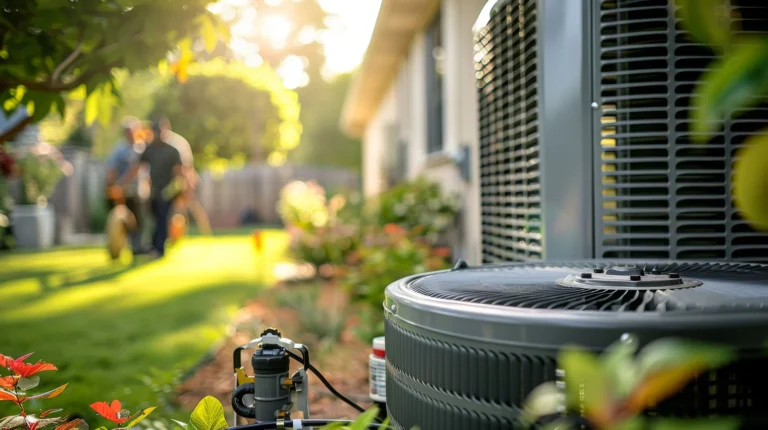

What does HVAC stand for?
HVAC stands for Heating, Ventilation, and Air Conditioning. It encompasses systems that control the temperature, humidity, and air quality in indoor spaces.
How often should I replace my HVAC system?
The lifespan of an HVAC system typically ranges from 15 to 20 years. However, regular maintenance can extend its life. Consider replacing your system if it’s older, less efficient, or frequently needs repairs.
Why is regular HVAC maintenance important?
Regular maintenance ensures your HVAC system operates efficiently, reduces energy consumption, prevents breakdowns, and extends its lifespan. It also helps maintain good indoor air quality.
What are the signs that my HVAC system needs repair?
Common signs include unusual noises, inconsistent temperatures, higher energy bills, and poor air quality. If you notice these issues, it’s advisable to schedule a professional inspection.
How can I improve my HVAC system’s energy efficiency?
You can enhance efficiency by keeping air filters clean, sealing ducts, programming a thermostat, and scheduling regular maintenance. Upgrading to a more energy-efficient system is also an option.
What’s the difference between a furnace and a heat pump?
A furnace heats your home by burning fuel or using electric resistance, while a heat pump transfers heat from the air or ground to provide both heating and cooling.
What is zoning in HVAC, and is it beneficial?
Zoning divides your home into separate areas with individual temperature controls. It’s beneficial for maximizing comfort and energy efficiency, allowing you to heat or cool only the spaces in use.
Can I install a new HVAC system myself?
HVAC installation is a complex process that requires professional expertise. DIY installations can lead to safety hazards, inefficiency, and voided warranties.
What’s the role of air filters in HVAC systems?
Air filters capture dust, pollen, and other particles, improving indoor air quality. They also prevent debris from entering and damaging HVAC components.
Is it necessary to replace both the indoor and outdoor units of my HVAC system simultaneously?
While it’s not always required, it’s often recommended to ensure compatibility and optimal performance. Replacing both units together can also maximize energy efficiency and reliability.