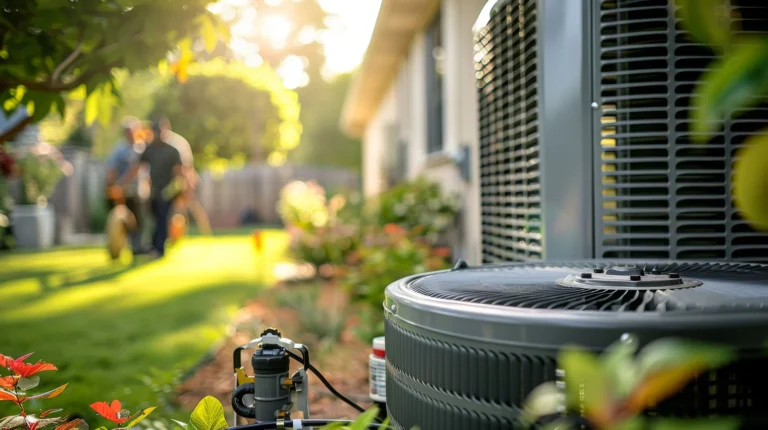

Heat Pumps in Harper Woods, MI
When it comes to year-round comfort in Harper Woods, MI, heat pumps represent one of the most versatile and energy-efficient solutions available to homeowners and businesses alike. At Apollo Heating & Cooling, we have been helping families across the region navigate their heating and cooling options since 1981. As a locally owned and operated company, we understand the unique climate challenges that Southeast Michigan presents, from bitterly cold winters to humid summers. Heat pump technology has advanced dramatically over the decades, and today these systems offer remarkable performance that makes them a serious contender for homes throughout Harper Woods and surrounding communities including St. Clair Shores, Warren, Roseville, and Eastpointe.
How Heat Pumps Work
A heat pump operates on a simple but elegant principle: rather than generating heat by burning fuel, it transfers heat from one location to another using refrigerant and a compression cycle. During the winter months, a heat pump extracts heat energy from the outdoor air, even when temperatures drop below freezing, and moves it indoors. In summer, the process reverses, pulling heat from inside your home and releasing it outdoors, functioning exactly like a traditional air conditioner. This dual functionality means a single system handles both your heating and cooling needs, eliminating the requirement for separate furnace and AC units.
The core components of a heat pump system include an outdoor unit containing a compressor and coil, an indoor air handler with its own coil, refrigerant lines connecting the two units, a reversing valve that changes the direction of refrigerant flow, and an expansion valve that regulates refrigerant flow into the evaporator coil. The reversing valve is what distinguishes a heat pump from a standard air conditioner. When you switch from cooling mode to heating mode on your thermostat, this valve redirects refrigerant so that the outdoor coil becomes the evaporator and the indoor coil becomes the condenser. Modern systems accomplish this transition seamlessly, providing consistent comfort regardless of the season.
Types of Heat Pumps We Service
There are several categories of heat pumps that homeowners in Harper Woods should understand when considering installation or replacement. Each type has distinct advantages depending on your property, budget, and comfort requirements. Our goal is to give our customers a one-on-one personal experience with every job, which means we take time to evaluate your specific situation before recommending any particular system.
- Air-source heat pumps are the most common type, transferring heat between your home and the outdoor air. Modern cold-climate models can operate efficiently in temperatures as low as negative fifteen degrees Fahrenheit, making them increasingly viable for Michigan winters
- Dual-fuel or hybrid heat pumps pair an electric heat pump with a gas furnace backup, automatically switching to gas heat when outdoor temperatures drop below the heat pump’s efficient operating range
- Ductless mini-split heat pumps provide zoned heating and cooling without requiring ductwork, ideal for room additions, older homes, or areas where extending existing ductwork is impractical
- Geothermal (ground-source) heat pumps use the constant temperature of the earth below the frost line to exchange heat, delivering the highest efficiency ratings of any heat pump type
Why Heat Pumps Make Sense for Harper Woods Homeowners
The Department of Energy estimates that heat pumps can reduce electricity use for heating by approximately fifty percent compared to electric resistance heating such as furnaces and baseboard heaters. According to industry data, heat pump installations across the United States surpassed gas furnace sales in 2022 for the first time, signaling a significant shift in how Americans approach home comfort. Harper Woods homeowners are part of this growing trend, driven by rising energy costs, environmental awareness, and the impressive performance of modern cold-climate heat pump models.
One of the most compelling advantages for Harper Woods residents is the dual-fuel or hybrid approach. Because Michigan winters can be severe, pairing a heat pump with an existing gas furnace creates a system that automatically selects the most cost-effective heating source based on outdoor conditions. When temperatures are moderate, the heat pump handles the load at a fraction of the cost of running a furnace. When the mercury plunges during a January cold snap, the system seamlessly transitions to gas heat. This intelligent switching can significantly reduce annual energy bills while maintaining uninterrupted comfort throughout the heating season.
Efficiency Ratings and What They Mean
Understanding heat pump efficiency ratings helps you make informed purchasing decisions. Heat pump efficiency is measured using two primary metrics. The Seasonal Energy Efficiency Ratio, known as SEER2 under updated federal testing standards that took effect in 2023, measures cooling efficiency. The Heating Seasonal Performance Factor, or HSPF2, measures heating efficiency. Higher numbers in both cases indicate greater efficiency. Current federal minimum standards require at least fifteen SEER2 and 7.5 HSPF2 for split-system heat pumps, but many premium models exceed twenty SEER2 and ten HSPF2.
At Apollo Heating & Cooling, we help customers in Harper Woods and surrounding areas understand these numbers in practical terms. A heat pump rated at twenty SEER2 compared to a fifteen SEER2 unit can reduce cooling energy consumption by roughly twenty-five percent. Over a system’s typical lifespan of fifteen to twenty years, that efficiency difference translates into substantial savings. We are dedicated to serving St. Clair Shores and the surrounding areas with honest assessments of which efficiency level provides the best return on investment for each customer’s unique situation.
Installation and Maintenance Considerations
Proper installation is arguably the most critical factor in heat pump performance. An incorrectly sized or poorly installed system can waste energy, fail to maintain comfortable temperatures, and experience premature component failure. Our technicians perform detailed load calculations that account for your home’s square footage, insulation levels, window types, orientation, and other factors. This ensures the system we install matches your home’s actual heating and cooling demands rather than relying on rough estimates.
- Pre-installation assessment involves evaluating your existing ductwork condition, electrical panel capacity, and insulation levels to identify any modifications needed before installation
- Equipment selection matches the proper system capacity and efficiency rating to your home’s calculated heating and cooling loads
- Professional installation includes proper refrigerant charging, electrical connections, condensate drainage, and thermostat configuration
- Post-installation testing verifies airflow, temperature differential, refrigerant pressures, and overall system operation meet manufacturer specifications
- Ongoing maintenance includes seasonal tune-ups, filter changes, coil cleaning, and refrigerant level checks to maintain peak efficiency
Regular maintenance extends the life of your heat pump and preserves its efficiency. We recommend scheduling professional maintenance at least twice per year, once before heating season and once before cooling season. During these visits, our technicians inspect electrical connections, clean coils, check refrigerant levels, lubricate moving parts, and test safety controls. These preventive steps help avoid costly breakdowns and ensure your system delivers the comfort and efficiency you expect.
The Future of Heat Pump Technology in Michigan
The heat pump market is evolving rapidly, with manufacturers investing heavily in cold-climate performance. Variable-speed compressor technology, also called inverter-driven systems, represents a major advancement. Unlike traditional single-speed compressors that cycle on and off, variable-speed compressors adjust their output continuously to match demand. This results in more consistent temperatures, lower energy consumption, reduced noise levels, and less wear on components. Many of the systems we install today feature this technology, delivering comfort levels that would have been unimaginable when we first opened our doors in 1981.
Federal and state incentive programs continue to make heat pump adoption more accessible. The Inflation Reduction Act provides tax credits for qualifying heat pump installations, and various utility rebate programs further reduce upfront costs. Our goal is one hundred percent customer satisfaction, and that includes helping you navigate available incentives to maximize your investment. Whether you are building a new home in Harper Woods or upgrading an aging system, a heat pump deserves serious consideration as your next comfort solution. Contact Apollo Heating & Cooling to discuss which heat pump option is right for your home.